

Bilingual
En/Fa
Geographical Research is Published in both Persian and English Full-text.
Volume 40, Issue 3 (2025)
GeoRes 2025, 40(3): 253-265 |
Back to browse issues page
Article Type:
Subject:




History
Received: 2025/06/9 | Accepted: 2025/08/16 | Published: 2025/09/1
Received: 2025/06/9 | Accepted: 2025/08/16 | Published: 2025/09/1
How to cite this article
Hosseini Z, Mofidi Shemirani S, Labib Zadeh R. Water Performance Optimization of Typical Residential Apartments in Tehran. GeoRes 2025; 40 (3) :253-265
URL: http://georesearch.ir/article-1-1852-en.html
URL: http://georesearch.ir/article-1-1852-en.html
Download citation:
BibTeX | RIS | EndNote | Medlars | ProCite | Reference Manager | RefWorks
Send citation to:


Rights and permissions
BibTeX | RIS | EndNote | Medlars | ProCite | Reference Manager | RefWorks
Send citation to:

1- Department of Architecture, Science and Research Branch, Islamic Azad University, Tehran, Iran
2- Department of Architecture and Urban Development, Science and Research Branch, Islamic Azad University, Tehran, Iran
2- Department of Architecture and Urban Development, Science and Research Branch, Islamic Azad University, Tehran, Iran
Full-Text (HTML) (201 Views)
Background
The global water scarcity crisis, particularly in countries such as Iran, has been exacerbated by excessive groundwater extraction, arid climate, population growth, and construction activities. Buildings account for a substantial share of water consumption, and reducing water use over their lifecycle contributes to environmental sustainability.
Previous Studies
Numerous studies indicate that water scarcity is one of the greatest global threats, with over half of all megacities and approximately 40% of the world’s population exposed to water stress (Borah, 2025; Thebuwena et al., 2024; Pradeep et al., 2024). Within the building sector, research emphasizes that it alone consumes roughly 30–40% of freshwater resources (Antão-Geraldes et al., 2023; Hosseinian et al., 2023), and its management requires detailed analysis of embodied, construction-related, and operational water use (Sharma & Chani, 2024; Kamazani et al., 2024).
In terms of technology, various studies have demonstrated the application of Building Information Modeling (BIM) and Generative Design (GD) to enhance environmental performance (Liu et al., 2019; Wang et al., 2025). Recently, researchers have also focused on Generative Spatial Layout (GSL) design as an innovative approach to optimize resource consumption (Li et al., 2024; Xia et al., 2024; Fattahi Tabasi et al., 2023).
Aim(s)
This study focused on optimizing embodied, construction-related, and operational water consumption based on the physical components of mid-rise residential apartments in Tehran’s climate, employing Building Information Modeling (BIM) within a generative spatial layout design approach for residential apartment configurations.
Research Type
The present study was quantitative in nature.
Research Society, Place and Time
The present study is a quantitative investigation conducted in 2025 in Tehran. The statistical population consisted of typical residential apartments in the city. The study focused on residential units within mid-rise apartment buildings, specifically 150-square-meter, four-story apartments above a pilot floor, which represent the common typology in Tehran according to data from the Statistical Center of Iran and the Engineering Organization.
Sampling Method and Number
In this study, sampling for the water performance modeling phase was conducted using purposeful sampling. Ultimately, 64 residential apartments were selected as the final sample.
For the optimization phase, sampling was performed randomly using the NSGA-II genetic algorithm. A total of 9,000 building models were generated and evaluated across 300 generations, with a population of 30 models per generation.
Used Devices & Materials
This study employed specialized tools and software to model, simulate, and optimize building water performance. SPSS (v27) was used for data analysis and regression-based modeling, while Rhinoceros (v8) with Grasshopper enabled automated spatial configuration generation. Python scripts supported generative design and water performance simulations, and Ladybug Tools simulated mechanical system water use. Multi-objective optimization was performed with Colibri and Wallacei using the NSGA-II algorithm. The modeling utilized data on embedded material water, construction details, operational water from 64 apartments, and building physical characteristics.
Findings
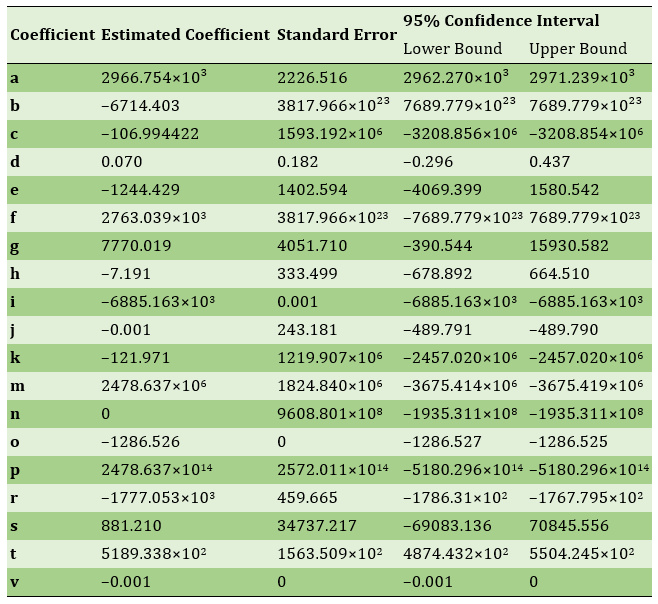
In this study, the water performance of residential buildings was initially modeled by extracting physical characteristics, construction data, occupant attributes, and water consumption in both construction and operational phases for 64 apartments. In the first step, descriptive statistics of water consumption and building characteristics were reported, showing that the average construction water consumption was 33.3% higher than annual operational water use (Table 1). Construction water consumption was then modeled based on physical features. Nonlinear regression results indicated that variables such as the area of exterior and interior walls, area of joist-slab and steel deck ceilings, foundation floor area, construction duration, and number of workers had significant effects. The final model, with a determination coefficient of 0.986, predicted 98.6% of the variance in construction water consumption (Table 2).
Table 1. Descriptive statistics of water performance in residential apartments and general building characteristics
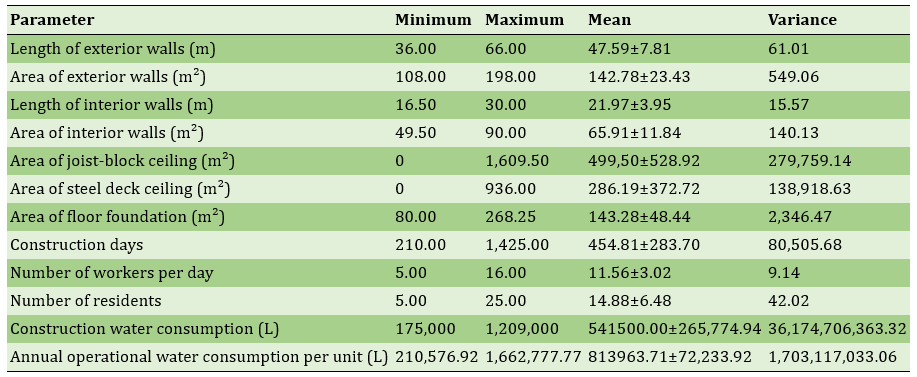
Table 2. Results of the nonlinear regression analysis between total residential energy consumption and the building’s physical factors
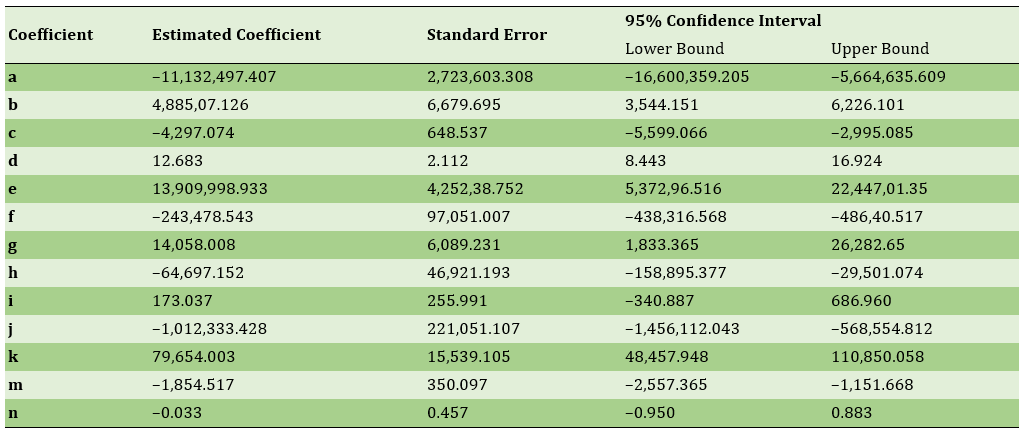
Next, annual operational water consumption was modeled using a nonlinear equation based on unit area, number of units, floor area, and number of occupants. This model achieved high accuracy, predicting 95.5% of water consumption, an 11.2% improvement over the linear model (Table 3). Both models were used as inputs for the building water performance simulation algorithm, and correlation tests between observed and simulated values confirmed model validity with coefficients above 0.75.
Table 3. Results of the nonlinear regression analysis between total residential energy consumption and the building’s physical factors
Subsequently, spatial configuration optimization was conducted using a genetic algorithm. Gene ranges and step sizes are presented in Table 4, and structural, wall, and window characteristics are shown in Table 5. The optimization process produced 30 Pareto solutions in generation 299, categorized into three classes based on energy performance per area (Figure 1). Optimal designs exhibited east–west elongation, vertical circulation on the east façade, and a window-to-wall ratio of 0.5. Steel deck systems were prevalent, and all solutions had exterior gypsum block walls with stone cladding, highlighting superior water performance. Single-pane PVC windows appeared in all 30 solutions. A similar pattern was observed in the second optimization process, with most designs having east–west orientation and 2.6 m internal height. Structural system comparison in the second process showed both joist-slab with polystyrene and steel deck systems were used, with joist-slab being more common (Figure 2).
Table 4. Stepwise definition of model genes for spatial configuration optimization and the resulting specifications
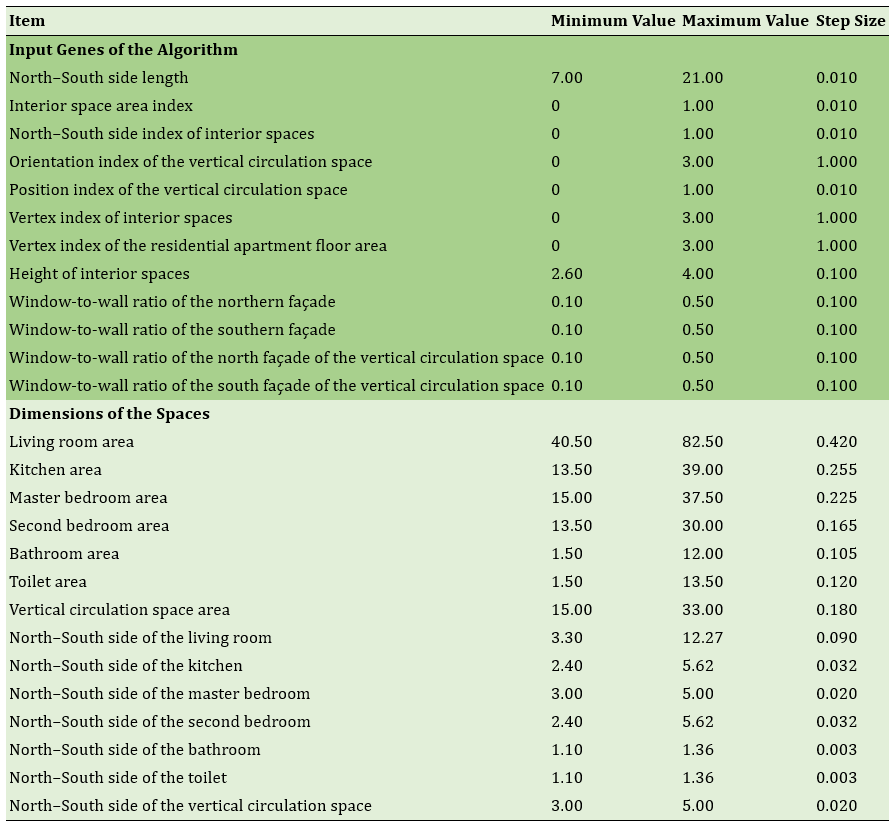
Table 5. Stepwise definition of structural systems and materials genes in spatial configuration optimization models and their resulting specifications
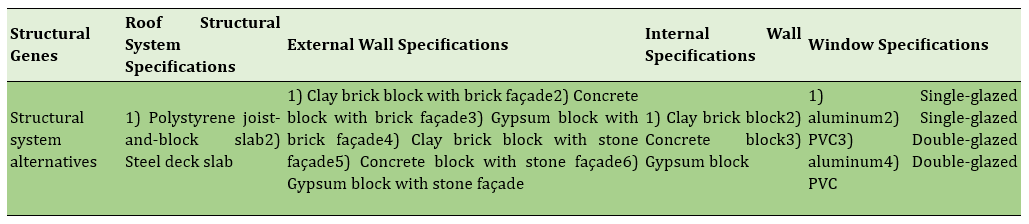
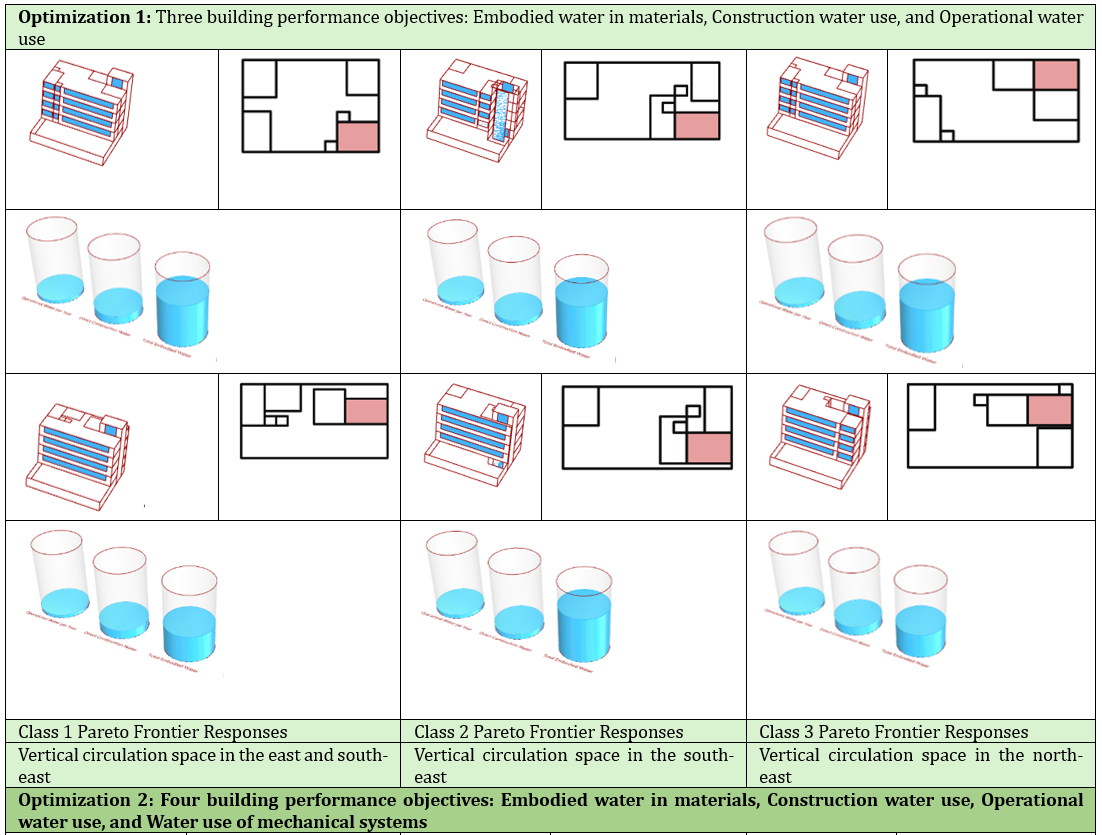
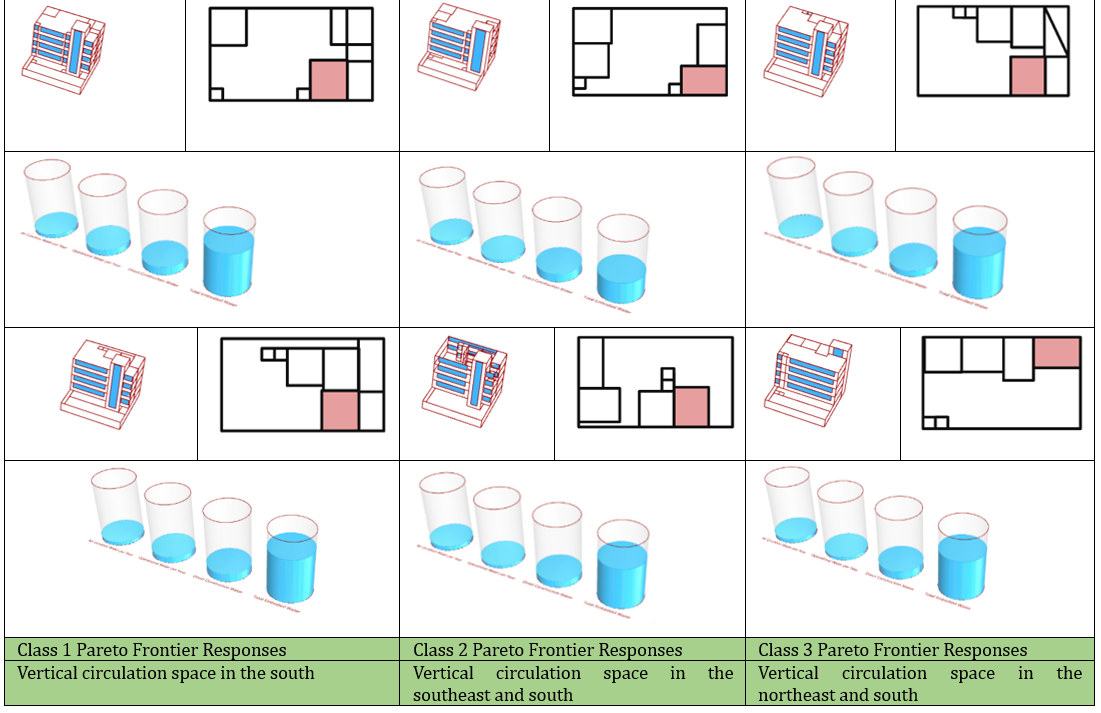
Figure 1. Diversity of design alternatives in each class across the two building configuration optimization processes based on water performance
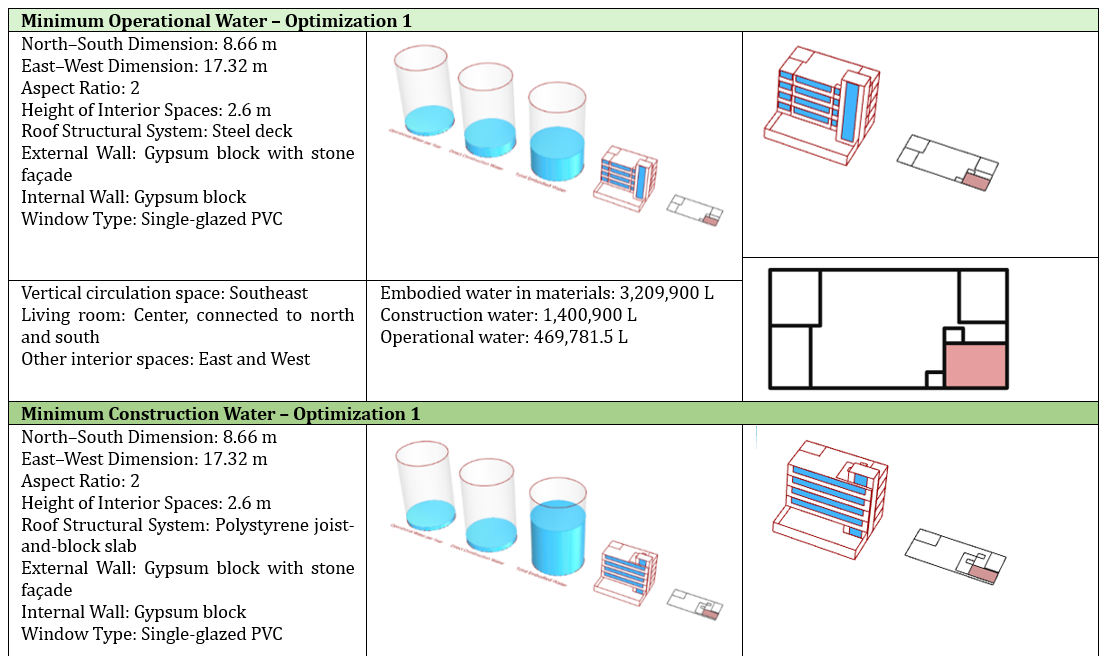
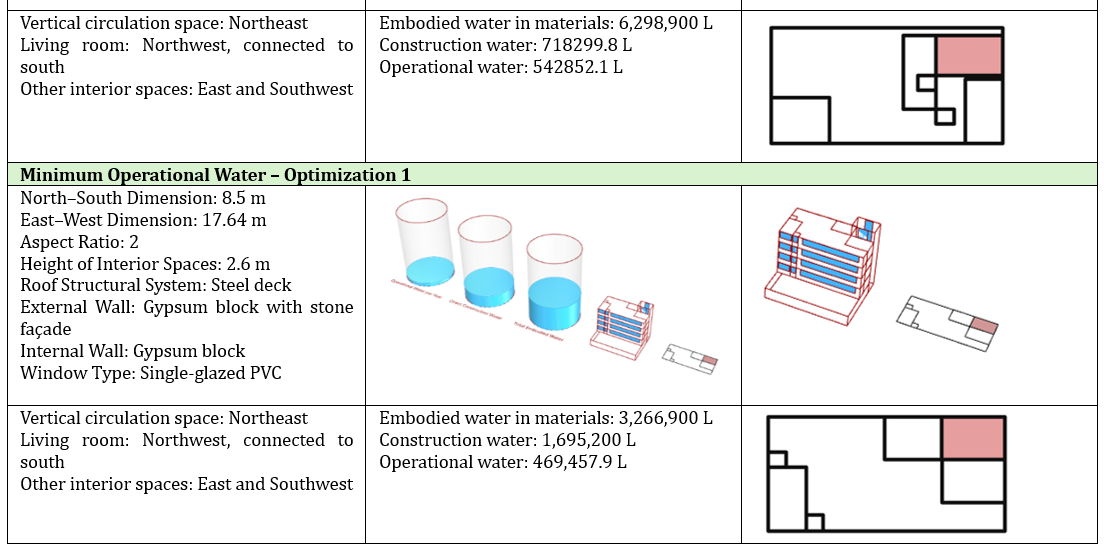
Figure 2. Best responses for each performance objective in Optimization 1
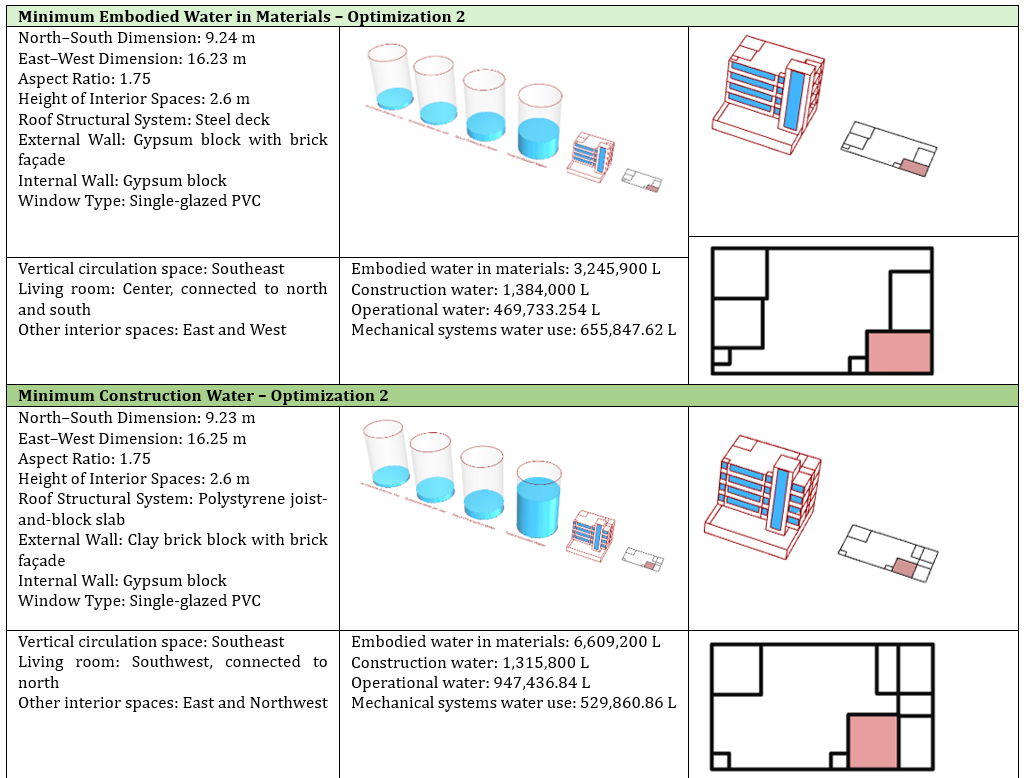
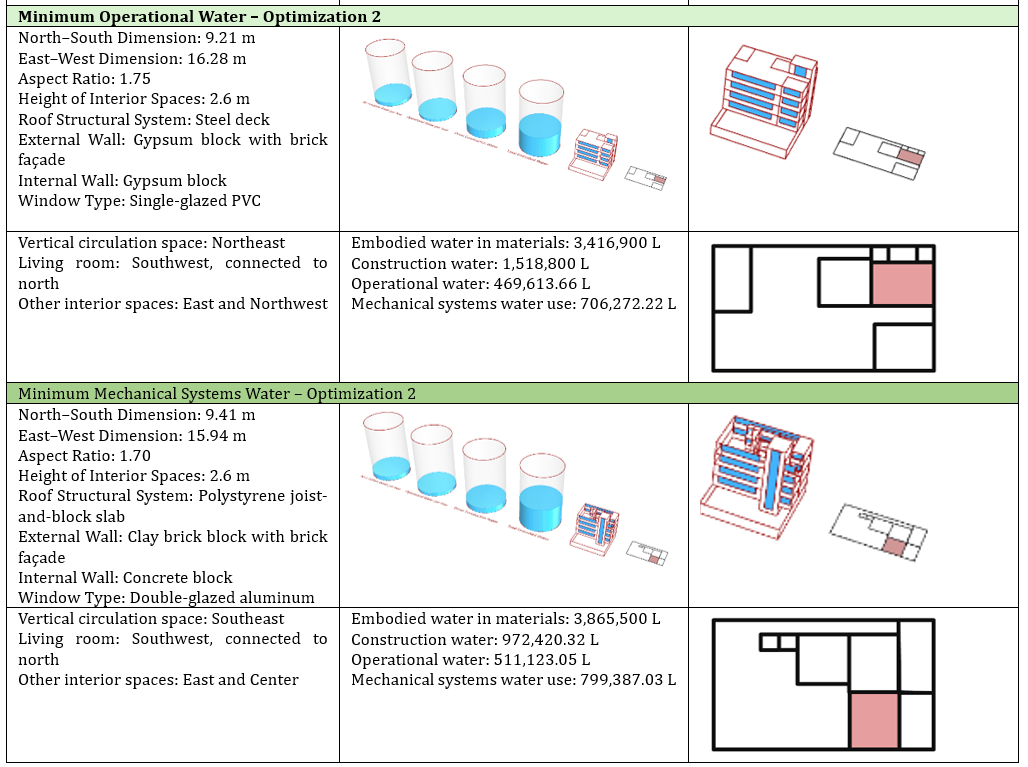
Figure 3. Best responses for each performance objective in Optimization 2
The optimization results identified a configuration measuring 8.66 m (north–south)×17.32m (east–west), internal height 2.6 m, steel deck, exterior gypsum block wall with stone cladding, interior gypsum block walls, and single-pane PVC windows, which achieved the lowest embedded water consumption (3,209,900 liters) along with favorable construction and operational water use.
Main Comparisons to Similar Studies
The present study employed an advanced and efficient method for generating spatial configurations and controlling outcomes, surpassing previous research. Unlike Li et al. [2024], who have relied on pre-defined boundaries and limited gene control with long algorithm runtimes, this study produced a wider variety of solutions more rapidly, without requiring an optimization algorithm during generation. Su et al. [2024] achieved low output variance due to model limitations, whereas the current approach delivered broader variance. Other studies, including Xia et al. [2024] and Rahbar et al. [2022], have generated simpler or constrained solutions due to graph-based or agent-based methods. Zhang et al. [2021] have shown reduced solution diversity and longer generation times. Additionally, unlike water-focused studies such as Thebuwena et al. [2024] and Kamazani et al. [2024], which have targeted offices or combined energy–carbon–water metrics, this research is the first to directly apply generative spatial configuration design to optimize water performance in residential buildings, demonstrating superior efficiency, diversity, and relevance to residential water optimization.
Suggestions
It is recommended that future studies conduct modeling and optimization based on variations in the number of floors and floor area. Additionally, it is suggested that modeling and optimization consider other building systems commonly used in Tehran to further generalize and validate the findings.
Conclusion
The geometric characteristics of apartment housing have a significant impact on building water performance and, consequently, on overall water consumption.
Acknowledgments: None reported by the authors.
Ethical Permission: None reported by the authors.
Conflict of Interest: None reported by the authors.
Authors’ Contributions: Hosseini ZS (First author), Main Researcher/ Introduction Writer/ Statistical Analyst (40%); Mofidi Shemirani SM (Second author), Introduction Writer/ Methodologist (30%); Labib Zadeh R (Third author), Assistant Researcher/Methodologist (30%).
Funding: None reported by the authors.
The global water scarcity crisis, particularly in countries such as Iran, has been exacerbated by excessive groundwater extraction, arid climate, population growth, and construction activities. Buildings account for a substantial share of water consumption, and reducing water use over their lifecycle contributes to environmental sustainability.
Previous Studies
Numerous studies indicate that water scarcity is one of the greatest global threats, with over half of all megacities and approximately 40% of the world’s population exposed to water stress (Borah, 2025; Thebuwena et al., 2024; Pradeep et al., 2024). Within the building sector, research emphasizes that it alone consumes roughly 30–40% of freshwater resources (Antão-Geraldes et al., 2023; Hosseinian et al., 2023), and its management requires detailed analysis of embodied, construction-related, and operational water use (Sharma & Chani, 2024; Kamazani et al., 2024).
In terms of technology, various studies have demonstrated the application of Building Information Modeling (BIM) and Generative Design (GD) to enhance environmental performance (Liu et al., 2019; Wang et al., 2025). Recently, researchers have also focused on Generative Spatial Layout (GSL) design as an innovative approach to optimize resource consumption (Li et al., 2024; Xia et al., 2024; Fattahi Tabasi et al., 2023).
Aim(s)
This study focused on optimizing embodied, construction-related, and operational water consumption based on the physical components of mid-rise residential apartments in Tehran’s climate, employing Building Information Modeling (BIM) within a generative spatial layout design approach for residential apartment configurations.
Research Type
The present study was quantitative in nature.
Research Society, Place and Time
The present study is a quantitative investigation conducted in 2025 in Tehran. The statistical population consisted of typical residential apartments in the city. The study focused on residential units within mid-rise apartment buildings, specifically 150-square-meter, four-story apartments above a pilot floor, which represent the common typology in Tehran according to data from the Statistical Center of Iran and the Engineering Organization.
Sampling Method and Number
In this study, sampling for the water performance modeling phase was conducted using purposeful sampling. Ultimately, 64 residential apartments were selected as the final sample.
For the optimization phase, sampling was performed randomly using the NSGA-II genetic algorithm. A total of 9,000 building models were generated and evaluated across 300 generations, with a population of 30 models per generation.
Used Devices & Materials
This study employed specialized tools and software to model, simulate, and optimize building water performance. SPSS (v27) was used for data analysis and regression-based modeling, while Rhinoceros (v8) with Grasshopper enabled automated spatial configuration generation. Python scripts supported generative design and water performance simulations, and Ladybug Tools simulated mechanical system water use. Multi-objective optimization was performed with Colibri and Wallacei using the NSGA-II algorithm. The modeling utilized data on embedded material water, construction details, operational water from 64 apartments, and building physical characteristics.
Findings
In this study, the water performance of residential buildings was initially modeled by extracting physical characteristics, construction data, occupant attributes, and water consumption in both construction and operational phases for 64 apartments. In the first step, descriptive statistics of water consumption and building characteristics were reported, showing that the average construction water consumption was 33.3% higher than annual operational water use (Table 1). Construction water consumption was then modeled based on physical features. Nonlinear regression results indicated that variables such as the area of exterior and interior walls, area of joist-slab and steel deck ceilings, foundation floor area, construction duration, and number of workers had significant effects. The final model, with a determination coefficient of 0.986, predicted 98.6% of the variance in construction water consumption (Table 2).
Table 1. Descriptive statistics of water performance in residential apartments and general building characteristics
Table 2. Results of the nonlinear regression analysis between total residential energy consumption and the building’s physical factors
Next, annual operational water consumption was modeled using a nonlinear equation based on unit area, number of units, floor area, and number of occupants. This model achieved high accuracy, predicting 95.5% of water consumption, an 11.2% improvement over the linear model (Table 3). Both models were used as inputs for the building water performance simulation algorithm, and correlation tests between observed and simulated values confirmed model validity with coefficients above 0.75.
Table 3. Results of the nonlinear regression analysis between total residential energy consumption and the building’s physical factors
Subsequently, spatial configuration optimization was conducted using a genetic algorithm. Gene ranges and step sizes are presented in Table 4, and structural, wall, and window characteristics are shown in Table 5. The optimization process produced 30 Pareto solutions in generation 299, categorized into three classes based on energy performance per area (Figure 1). Optimal designs exhibited east–west elongation, vertical circulation on the east façade, and a window-to-wall ratio of 0.5. Steel deck systems were prevalent, and all solutions had exterior gypsum block walls with stone cladding, highlighting superior water performance. Single-pane PVC windows appeared in all 30 solutions. A similar pattern was observed in the second optimization process, with most designs having east–west orientation and 2.6 m internal height. Structural system comparison in the second process showed both joist-slab with polystyrene and steel deck systems were used, with joist-slab being more common (Figure 2).
Table 4. Stepwise definition of model genes for spatial configuration optimization and the resulting specifications
Table 5. Stepwise definition of structural systems and materials genes in spatial configuration optimization models and their resulting specifications
Figure 1. Diversity of design alternatives in each class across the two building configuration optimization processes based on water performance
Figure 2. Best responses for each performance objective in Optimization 1
Figure 3. Best responses for each performance objective in Optimization 2
The optimization results identified a configuration measuring 8.66 m (north–south)×17.32m (east–west), internal height 2.6 m, steel deck, exterior gypsum block wall with stone cladding, interior gypsum block walls, and single-pane PVC windows, which achieved the lowest embedded water consumption (3,209,900 liters) along with favorable construction and operational water use.
Main Comparisons to Similar Studies
The present study employed an advanced and efficient method for generating spatial configurations and controlling outcomes, surpassing previous research. Unlike Li et al. [2024], who have relied on pre-defined boundaries and limited gene control with long algorithm runtimes, this study produced a wider variety of solutions more rapidly, without requiring an optimization algorithm during generation. Su et al. [2024] achieved low output variance due to model limitations, whereas the current approach delivered broader variance. Other studies, including Xia et al. [2024] and Rahbar et al. [2022], have generated simpler or constrained solutions due to graph-based or agent-based methods. Zhang et al. [2021] have shown reduced solution diversity and longer generation times. Additionally, unlike water-focused studies such as Thebuwena et al. [2024] and Kamazani et al. [2024], which have targeted offices or combined energy–carbon–water metrics, this research is the first to directly apply generative spatial configuration design to optimize water performance in residential buildings, demonstrating superior efficiency, diversity, and relevance to residential water optimization.
Suggestions
It is recommended that future studies conduct modeling and optimization based on variations in the number of floors and floor area. Additionally, it is suggested that modeling and optimization consider other building systems commonly used in Tehran to further generalize and validate the findings.
Conclusion
The geometric characteristics of apartment housing have a significant impact on building water performance and, consequently, on overall water consumption.
Acknowledgments: None reported by the authors.
Ethical Permission: None reported by the authors.
Conflict of Interest: None reported by the authors.
Authors’ Contributions: Hosseini ZS (First author), Main Researcher/ Introduction Writer/ Statistical Analyst (40%); Mofidi Shemirani SM (Second author), Introduction Writer/ Methodologist (30%); Labib Zadeh R (Third author), Assistant Researcher/Methodologist (30%).
Funding: None reported by the authors.
References
1. Abbasi M, Tabesh M, Shahangian SA, Safarpour H (2025). Enviro-technical assessment of social responses to water demand management policies facing water scarcity. Journal of Water Resources Planning and Management. 151(8):04025030. [Link] [DOI:10.1061/JWRMD5.WRENG-6500]
2. Ahmadi J, Maddahi SM, Mirzaei R (2023). Generative design of housing spatial layout based on rectangular spaces. Advances in Civil Engineering. 2023(1):1142371. [Link] [DOI:10.1155/2023/1142371]
3. Antão-Geraldes AM, Pinto M, Afonso MJ, Albuquerque A, Calheiros CSC, Silva F (2023). Promoting water efficiency in a municipal market building: A case study. Hydrology. 10(3):69. [Link] [DOI:10.3390/hydrology10030069]
4. Ataman C, Dino İG (2022). Performative design processes in architectural practices in Turkey: Architects' perception. Architectural Engineering and Design Management. 18(5):690-704. [Link] [DOI:10.1080/17452007.2021.1995315]
5. Borah G (2025). Urban water stress: Climate change implications for water supply in cities. Water Conservation Science and Engineering. 10(1):20. [Link] [DOI:10.1007/s41101-025-00344-5]
6. Deb K, Pratap A, Agarwal S, Meyarivan TAMT (2002). A fast and elitist multiobjective genetic algorithm: NSGA-II. IEEE Transactions on Evolutionary Computation. 6(2):182-197. [Link] [DOI:10.1109/4235.996017]
7. Deslatte A, Koebele EA, Wiechman A (2025). Embracing the ambiguity: Tracing climate response diversity in urban water management. Public Administration. 103(1):250-272. [Link] [DOI:10.1111/padm.13017]
8. Dino IG (2016). An evolutionary approach for 3D architectural space layout design exploration. Automation in Construction. 69:131-150. [Link] [DOI:10.1016/j.autcon.2016.05.020]
9. Dino IG, Üçoluk G (2017). Multiobjective design optimization of building space layout, energy, and daylighting performance. Journal of Computing in Civil Engineering. 31(5):04017025. [Link] [DOI:10.1061/(ASCE)CP.1943-5487.0000669]
10. Ekici B, Cubukcuoglu C, Turrin M, Sariyildiz IS (2019). Performative computational architecture using swarm and evolutionary optimisation: A review. Building and Environment. 147:356-371. [Link] [DOI:10.1016/j.buildenv.2018.10.023]
11. Fattahi Tabasi S, Rafizadeh HR, Andaji Garmaroudi A, Banihashemi S (2023). Optimizing urban layouts through computational generative design: Density distribution and shape optimization. Architectural Engineering and Design Management. 20(5):1164-1184. [Link] [DOI:10.1080/17452007.2023.2243272]
12. Guo ZJ, Yu J, Zhang YZ, Zhang J, Chen Y, Wu Y, et al (2017). Water-stable in (III)-based metal-organic frameworks with rod-shaped secondary building units: Single-crystal to single-crystal transformation and selective sorption of C2H2 over CO2 and CH4. Inorganic Chemistry. 56(4):2188-2197. [Link] [DOI:10.1021/acs.inorgchem.6b02840]
13. He C, Liu Z, Wu J, Pan X, Fang Z, Li J, et al (2021). Future global urban water scarcity and potential solutions. Nature Communications. 12(1):4667. [Link] [DOI:10.1038/s41467-021-25026-3]
14. Hosseinian SM, Ghahari SM (2021). The relationship between structural parameters and water footprint of residential buildings. Journal of Cleaner Production. 279:123562. [Link] [DOI:10.1016/j.jclepro.2020.123562]
15. Hosseinian SM, Sabouri AG, Carmichael DG (2023). Sustainable production of buildings based on Iranian vernacular patterns: A water footprint analysis. Building and Environment. 242:110605. [Link] [DOI:10.1016/j.buildenv.2023.110605]
16. Kamazani MA, Dixit M, Shanbhag SS (2024). Interdependencies and tradeoffs in embodied and operational energy use, carbon emissions, and embodied water use of buildings. IOP Conference Series: Earth and Environmental Science. 1363(1):012024. [Link] [DOI:10.1088/1755-1315/1363/1/012024]
17. Keshavarzi M, Rahmani-Asl M (2021). Genfloor: Interactive generative space layout system via encoded tree graphs. Frontiers of Architectural Research. 10(4):771-786. [Link] [DOI:10.1016/j.foar.2021.07.003]
18. Li Z, Li S, Hinchcliffe G, Maitless N, Birbilis N (2024). Automated architectural space layout planning using a physics-inspired generative design framework. arXiv:2406.14840 [Preprint]. 2024 [cited 2025 Nov 20]. Available from: https://arxiv.org/abs/2406.14840 [Link]
19. Liu S, Zhou L (2025). LayoutGAN for automated layout design in graphic design: An application of generative adversarial networks. Informatica. 49(10). [Link] [DOI:10.31449/inf.v49i10.7099]
20. Liu Z, Zhang C, Guo Y, Osmani M, Demian P (2019). A building information modelling (BIM) based water efficiency (BWe) framework for sustainable building design and construction management. Electronics. 8(6):599. [Link] [DOI:10.3390/electronics8060599]
21. Pradeep T, Tam MK, Serrano JF (2024). Managing water, the mother of resources: Thoughts on world water day 2024. ACS Sustainable Resource Management. 1(3):368-369. [Link] [DOI:10.1021/acssusresmgt.4c00096]
22. Rahbar M, Mahdavinejad M, Markazi AH, Bemanian M (2022). Architectural layout design through deep learning and agent-based modeling: A hybrid approach. Journal of Building Engineering. 47:103822. [Link] [DOI:10.1016/j.jobe.2021.103822]
23. Saemian P, Tourian MJ, AghaKouchak A, Madani K, Sneeuw N (2022). How much water did Iran lose over the last two decades?. Journal of Hydrology: Regional Studies. 41:101095. [Link] [DOI:10.1016/j.ejrh.2022.101095]
24. Sharma AK, Chani PS (2024). Embodied water-energy nexus towards sustainable building construction: Case of conventional Indian houses. Journal of Building Engineering. 83:108453. [Link] [DOI:10.1016/j.jobe.2024.108453]
25. Su P, Lu W, Chen J, Hong S (2024). Floor plan graph learning for generative design of residential buildings: A discrete denoising diffusion model. Building Research & Information. 52(6):627-643. [Link] [DOI:10.1080/09613218.2023.2288097]
26. Thebuwena ACHJ, Samarakoon SSM, Ratnayake RC (2024). On the necessity for improving water efficiency in commercial buildings: A green design approach in hot humid climates. Water. 16(17):2396. [Link] [DOI:10.3390/w16172396]
27. Wang B, Lu W, Zhang Y (2025). A graph-enabled parametric modeling approach for façade layout generative design. Journal of Building Engineering. 105:112481. [Link] [DOI:10.1016/j.jobe.2025.112481]
28. Xia T, Ledbetter A, Bobe A, Hofland J, Krouwels B, Wang T, et al (2024). Interactive AI for generative housing design based on graph neural networks and deep generative models. Proceedings of the 2024 European Conference on Computing in Construction. Brussels: European Council on Computing in Construction (EC3). p. 469-477. [Link] [DOI:10.35490/EC3.2024.188]
29. Yan S, Wu C, Zhang Y (2025). Generative design for architectural spatial layouts: A review of technical approaches. Journal of Asian Architecture and Building Engineering. Latest Articles:1-21. [Link] [DOI:10.1080/13467581.2025.2512235]
30. Yi H (2016). User-driven automation for optimal thermal-zone layout during space programming phases. Architectural Science Review. 59(4):279-306. [Link] [DOI:10.1080/00038628.2015.1021747]
31. Yong L, Chibiao H (2022). A generative design method of building layout generated by path. Applied Mathematics and Nonlinear Sciences. 7(2):825-848. [Link] [DOI:10.2478/amns.2021.2.00168]
32. Zhang J, Liu N, Wang S (2021). Generative design and performance optimization of residential buildings based on parametric algorithm. Energy and Buildings. 244:111033. [Link] [DOI:10.1016/j.enbuild.2021.111033]